Phillips & Repaircafe's : Repairable beard clipper

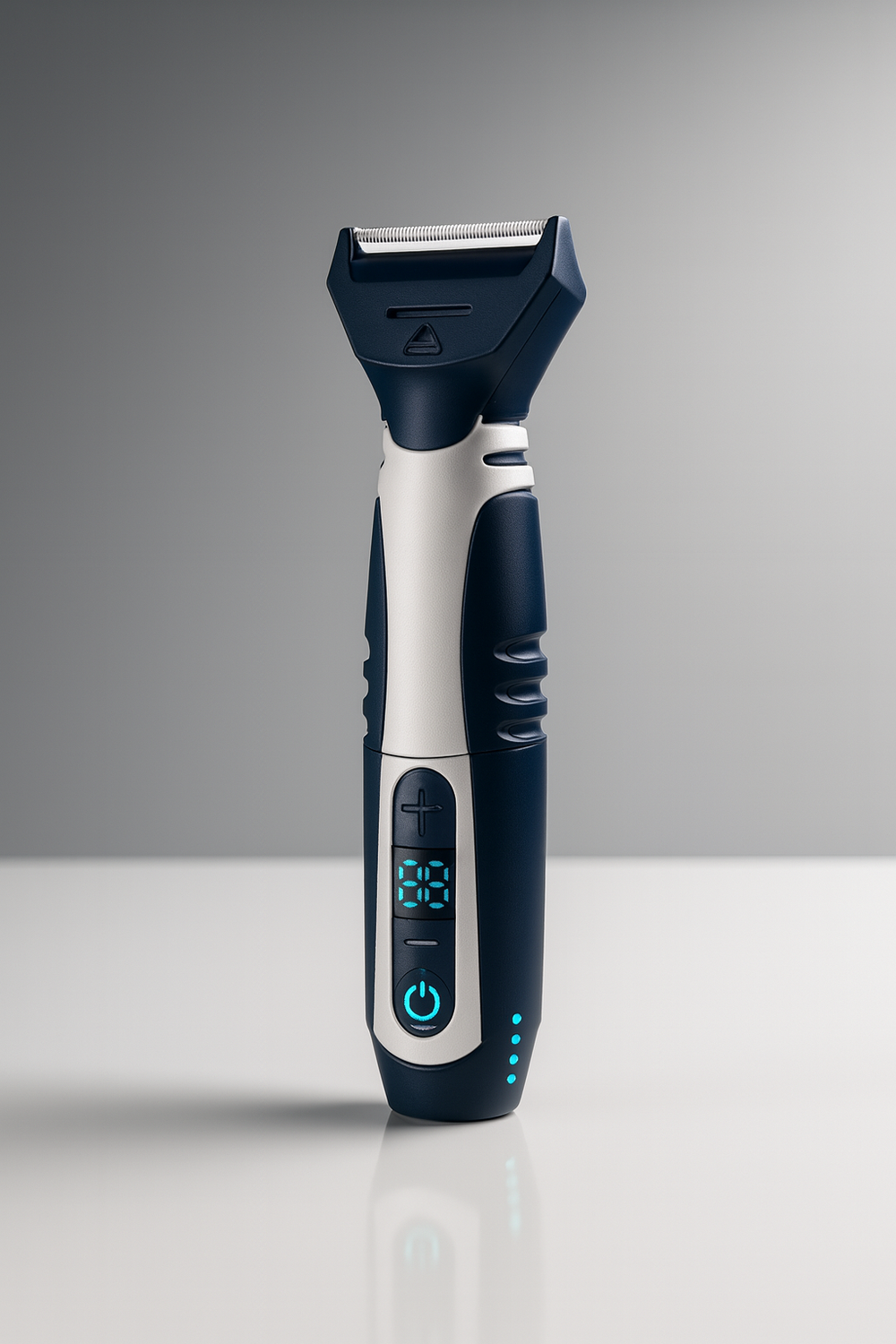
Project: 100% Repairable Hair Clipper
To support the philosophy of Repair Cafés, I redesigned a hair clipper with a fully repairable product architecture. The core objective was to ensure that every component can be easily accessed, removed, and replaced by a repair technician or by a technically skilled user.
Product Architecture & Repair Strategy
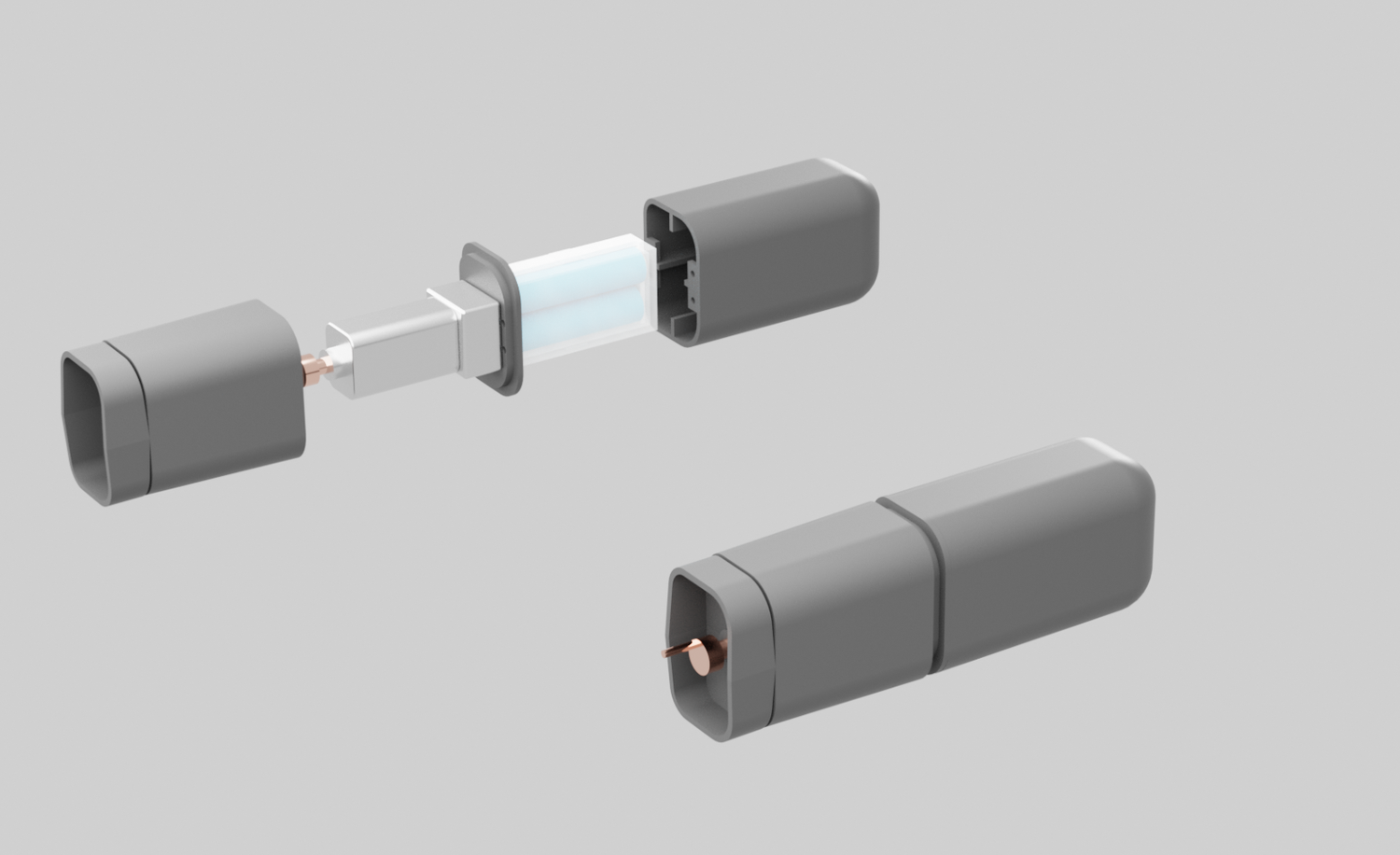
The design is based on a modular architecture that clearly separates the mechanical and electrical subsystems. This separation has several advantages:
•
Prevents hair, water, and debris from entering the electrical compartment
•
Simplifies diagnostics and targeted repairs
•
Allows individual modules to be replaced without disassembling the entire device
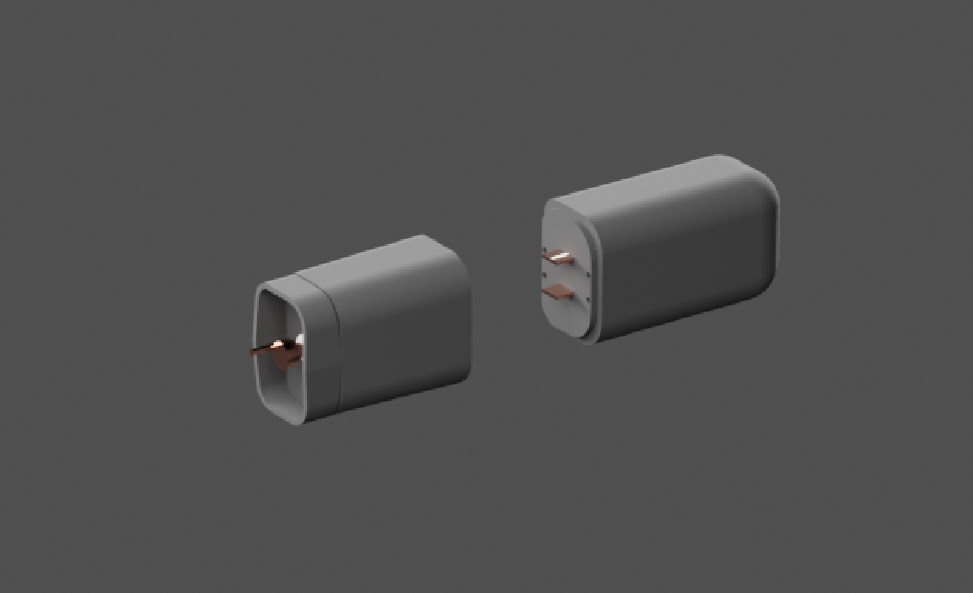
Each component can be removed independently using simple tools. The housing and internal layout guide the repairer intuitively through the disassembly process. This reduces the risk of damage during repair and lowers the skill barrier for maintenance.
Built-in Reassembly Assurance
An important aspect of the design is reassembly certainty. The clipper can only be fully closed if all internal components are correctly positioned. This mechanical validation ensures that after repair, the device is safely and correctly assembled. In other words: if it closes properly, you know the parts are in the right place.
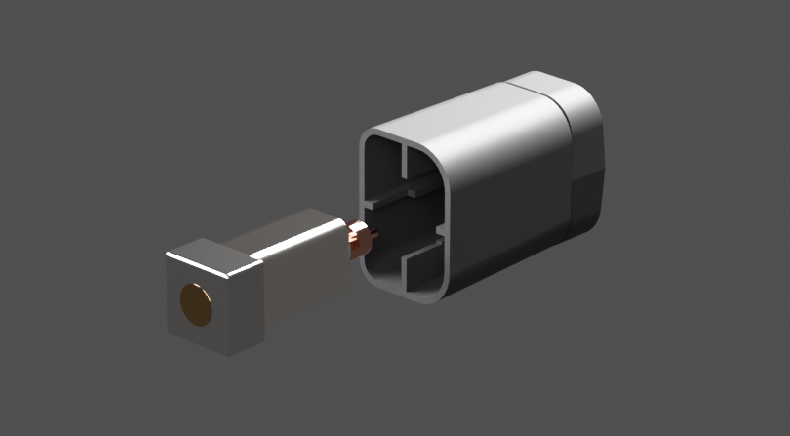
Interchangeable Shaving Head System
Another key design focus was the connection between the clipper body and the shaving head. The interface was engineered to support multiple interchangeable heads on a single device. This allows one clipper to be used for:
-Hair trimming
-Beard grooming
- Body shaving
Instead of owning three separate devices, users can simply switch heads on the same clipper. This reduces material consumption, manufacturing impact, and overall product ownership. It also strengthens the product’s longevity, since worn or specialized heads can be replaced independently without discarding the entire device.
-Hair trimming
-Beard grooming
- Body shaving
Instead of owning three separate devices, users can simply switch heads on the same clipper. This reduces material consumption, manufacturing impact, and overall product ownership. It also strengthens the product’s longevity, since worn or specialized heads can be replaced independently without discarding the entire device.
Impact
This project demonstrates how thoughtful product architecture can transform repair from a difficult task into an intuitive process. By combining modular design, subsystem separation, and interchangeable functionality, the clipper becomes a long-lasting, circular product aligned with the values of Repair Cafés. It shows that designing for repair is not a limitation—but an opportunity to create more sustainable, user-centered products.

Unlike the other projects in this portfolio, which were completed for external clients, this project was not commissioned by Philips; the brand was independently selected as the design context. The client of this project was Repaircafe Netherlands

Pont Packaging: Sustainable Recharge-Packaging for Marie-stella-maris
Engineering
Sustainability
Design